

Why a Safari in Kenya Should Be on Every Traveler’s Bucket List
Kenya is often described as the birthplace of the safari, and for good reason. Its national parks and reserves are among the most iconic on the planet, offering travelers the chance to witness breathtaking wildlife spectacles in stunning landscapes. For anyone who has ever dreamed of an African adventure, Kenya stands out as a destination that delivers on every front.
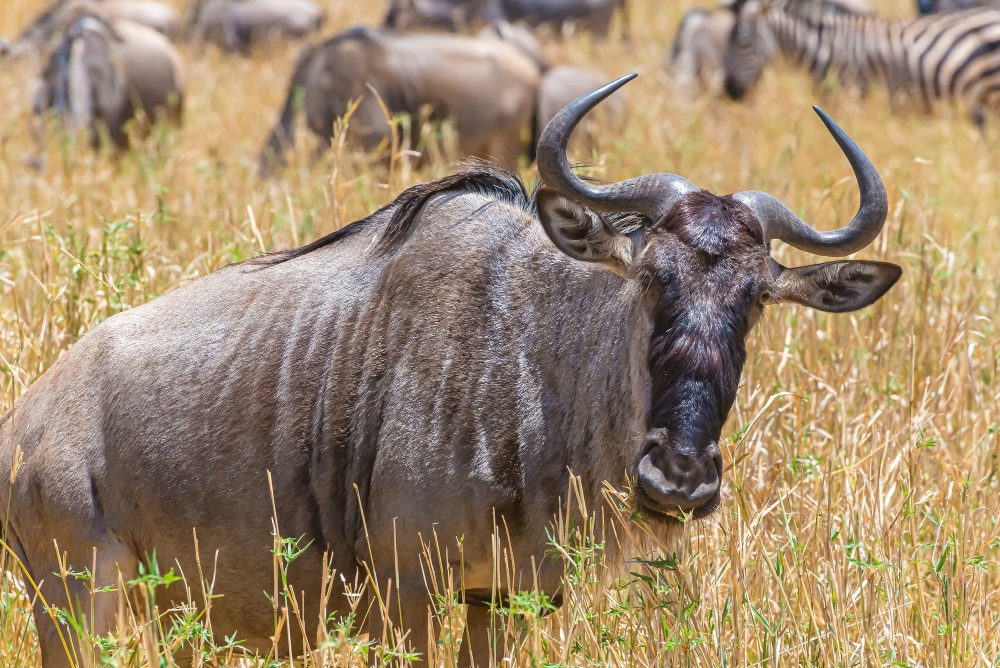
The Maasai Mara is undoubtedly Kenya’s crown jewel. Each year, it becomes the stage for the Great Wildebeest Migration, when millions of wildebeest, zebras, and gazelles cross the plains in search of fresh grazing. This natural phenomenon is considered one of the Seven New Wonders of the World, and seeing it firsthand is an unforgettable experience. Beyond the migration, the Mara is home to an incredible density of predators—lions, cheetahs, and leopards thrive here, making it a paradise for wildlife enthusiasts.
But the magic of Kenya extends far beyond the Mara. In Amboseli National Park, herds of elephants graze beneath the snow-capped peaks of Mount Kilimanjaro, creating one of the most photographed scenes in Africa. Samburu National Reserve offers a different kind of safari, with rare species such as the reticulated giraffe and Grevy’s zebra found only in northern Kenya. At Lake Nakuru, flocks of flamingos paint the water pink, while Tsavo East and West combine rugged landscapes with rich history.
A safari in Kenya isn’t just about animals—it’s about culture too. The Maasai and Samburu communities welcome visitors into their villages, offering insight into traditions that have been preserved for centuries. This human connection adds a deeper layer to the journey, making it more than just sightseeing. It becomes an immersion into the heart of Africa.
What makes Kenya truly unique is the diversity of experiences it offers. Travelers can combine luxury tented camps in the wilderness with private villas by the beach. They can take hot-air balloon rides over the savannah, go horseback riding alongside giraffes, or enjoy intimate bush dinners under the stars. No two safaris are ever the same, and every journey feels tailor-made.
For those seeking the ultimate adventure, Kenya is not just a destination—it’s an emotion, a story waiting to be written. A safari here is more than a holiday; it’s an encounter with nature at its purest and humanity at its warmest. Once you’ve experienced Kenya, you’ll carry it with you forever.
 Contact Us